Light Hiking Trails That Won’t Exhaust You
Five scenic trails across Ireland where you can spend a full day without needing mountain climbing experience. Mostly flat with gentle elevation gains.
Why These Trails Work for Everyone
Not everyone wants to scramble up rocky peaks or spend eight hours on the trail. That’s fine — you don’t have to. Ireland’s got plenty of brilliant walks that let you enjoy the landscape, get some fresh air, and actually feel good at the end of the day instead of completely wiped out.
We’re talking routes that take 4 to 6 hours, with minimal elevation gain, and paths that are well-maintained enough that you won’t be picking your way through bogs the whole time. Most of these trails follow old roads, forest paths, or gentle hillsides where you can actually have a conversation while you walk.
What Makes a Trail “Light”?
- Less than 500 meters elevation gain
- Well-defined paths, minimal scrambling
- 4 to 6 hours total walking time
- Suitable for regular fitness level
- Safe weather conditions year-round
Glendalough Valley Loop (Wicklow)
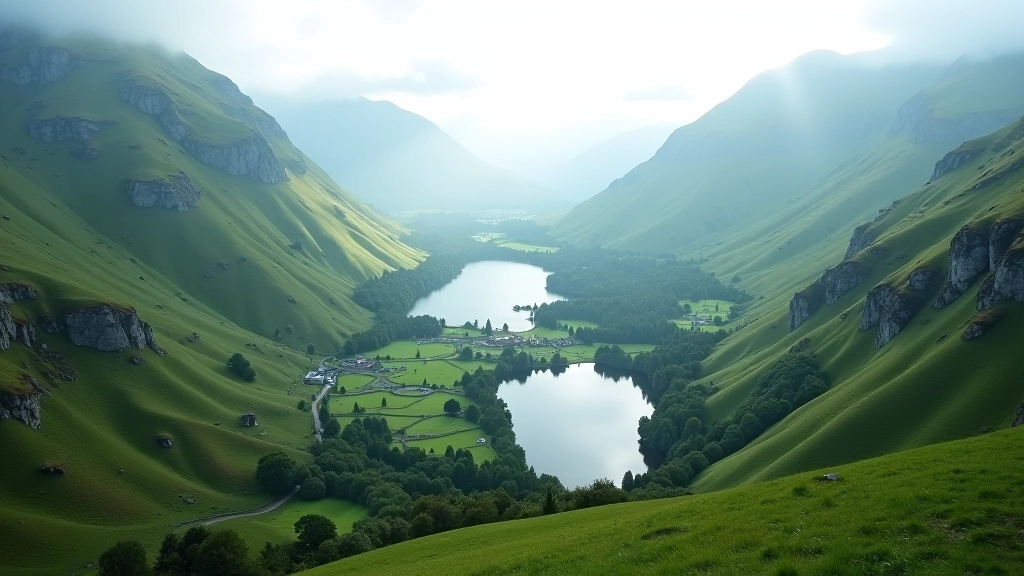
This is the go-to trail for people who want to say they’ve done something proper without actually suffering. The valley’s famous for its two glacial lakes, ancient monastic site, and mountains that look dramatic without being too demanding.
You’ll start from the visitor center and walk around both Upper and Lower lakes. The path is mostly flat, follows the water, and takes about 5 hours total. The biggest advantage? You’re rarely more than a few minutes from the road if you need to bail out. Plus the scenery’s genuinely stunning — the kind of place that looks good even when it’s raining.
Best time to go is late spring through early autumn. Winter’s doable but the paths get muddy and you’ll want proper waterproof gear. Distance is roughly 12 kilometers depending on which sections you walk.
Dunmore Head Coastal Path (Kerry)
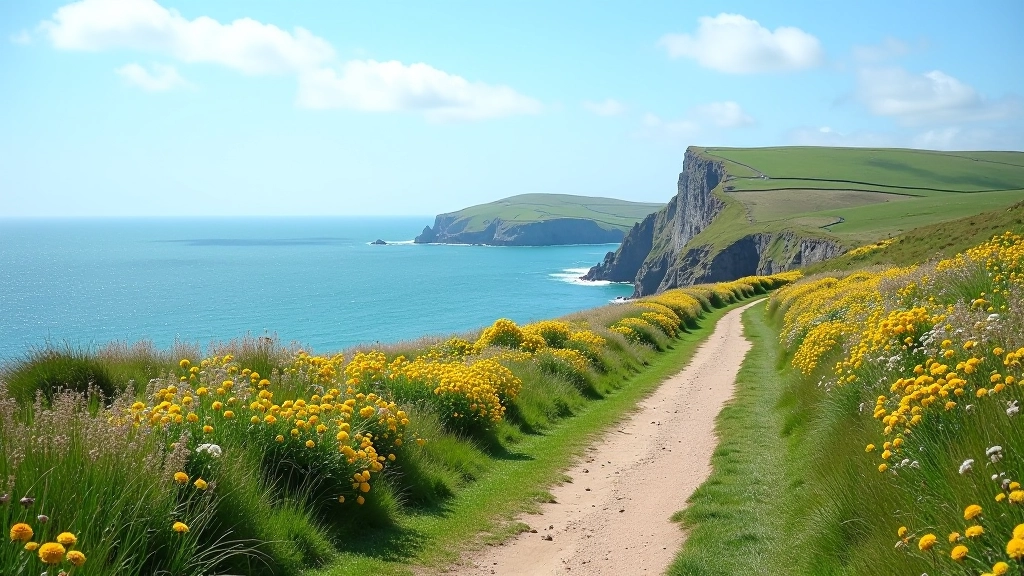
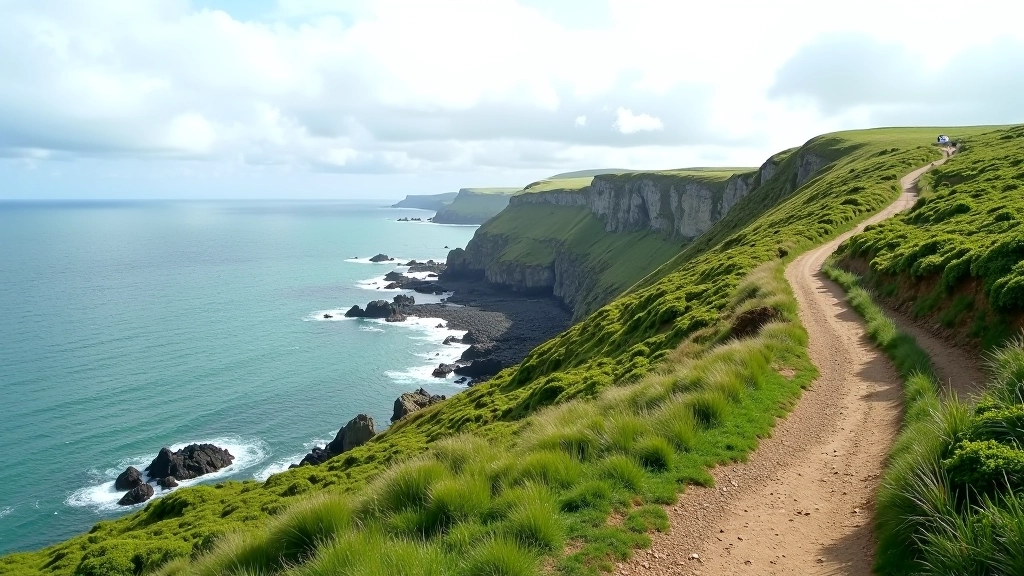
If you want dramatic views without the actual drama, this is your route. The path hugs the cliffs on the Dingle Peninsula and you get proper ocean vistas the whole way. It’s windy sometimes, which is part of the charm really.
The walk’s about 8 kilometers and takes around 3 hours. Most of it’s on a defined path that’s been walked for centuries. You won’t need special equipment — good walking boots and a windproof jacket are enough. The elevation gain is minimal because you’re mostly staying at cliff level.
The real bonus? You’ll see seabirds, sometimes seals if you’re lucky, and on clear days you can see the Blasket Islands. Spring and summer are best, but honestly any time except mid-winter works fine.
Before You Go: Safety First
These trails are genuinely accessible, but they’re still outdoor walks in Irish weather. Conditions change fast — what looks fine at breakfast can be different by afternoon. Check forecasts beforehand, tell someone where you’re going, bring water and proper layers, and don’t push yourself beyond what feels comfortable. If you’re new to hiking, consider going with someone more experienced the first time.
Caragh Lake Loop (Kerry)
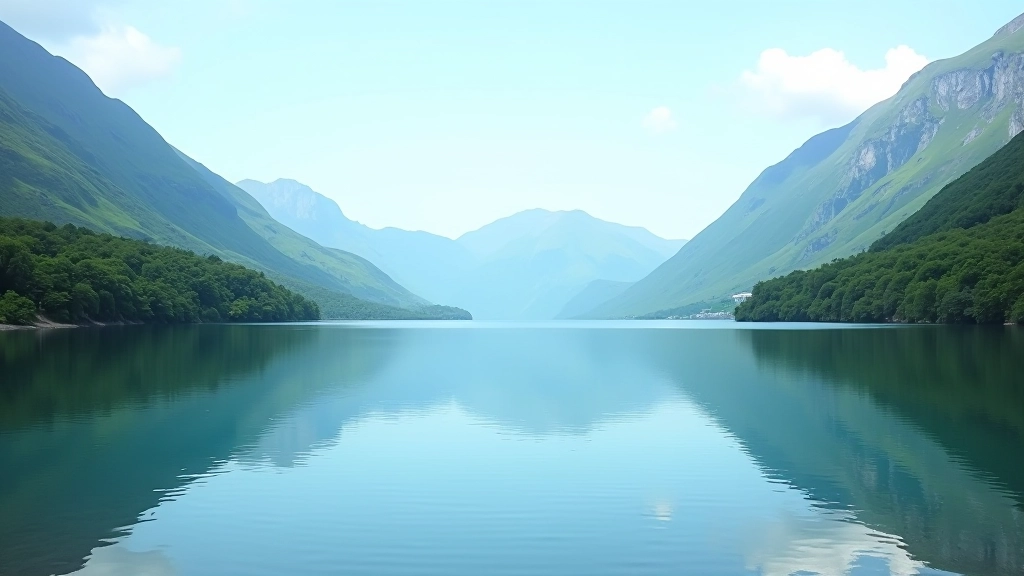
A less crowded option than the bigger names, this loop around Caragh Lake gives you everything you want from an Irish walk — mountains, water, and space to breathe. The path’s straightforward, the views are solid, and you’ll likely have long stretches where you’re basically alone.
Total distance is about 10 kilometers and it takes 4 to 5 hours depending on pace. The terrain’s mixed — some forest paths, some open hillside, some gentle lakeside walking. Nothing steep, nothing technical. You’ll gain maybe 200 meters over the whole route.
The lake itself is surrounded by mountains that look impressive from ground level. There’s a small parking area at the trailhead, and the whole thing’s well-marked. Good all year, though autumn’s probably the sweet spot when the light’s golden and there aren’t as many tourists around.
Tollymore Forest Park Loop (Down)
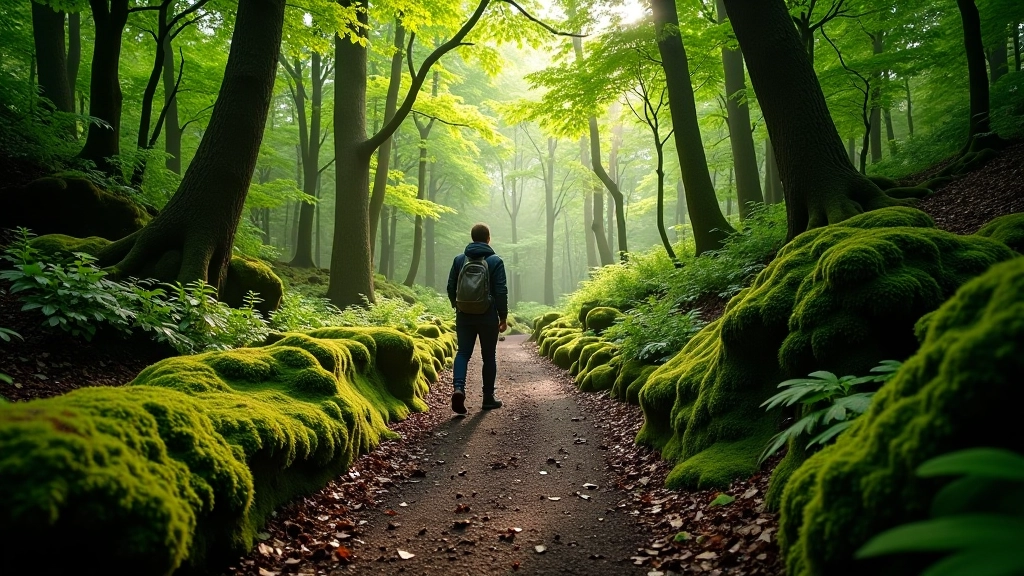
Nestled in the Mourne Mountains, this park’s got proper forest — the kind where the canopy’s thick enough that you’re in shade even when it’s sunny. There are several loop options, but the main one’s about 7 kilometers and takes 3 hours.
What’s brilliant here is that you get mountain views, forest atmosphere, and river sections all in one walk. The paths are maintained well enough that you’re not fighting vegetation, but wild enough that it feels genuinely remote. Elevation gain is gentle — maybe 250 meters total.
There’s a fee to enter the park (a few euros), and it’s worth it. The facilities are decent, the parking’s easy, and you won’t feel like you’re walking through someone’s private garden. This place is good for families too — kids find the forest interesting and the paths aren’t tedious.
Slieve League Coastal Trail (Donegal)
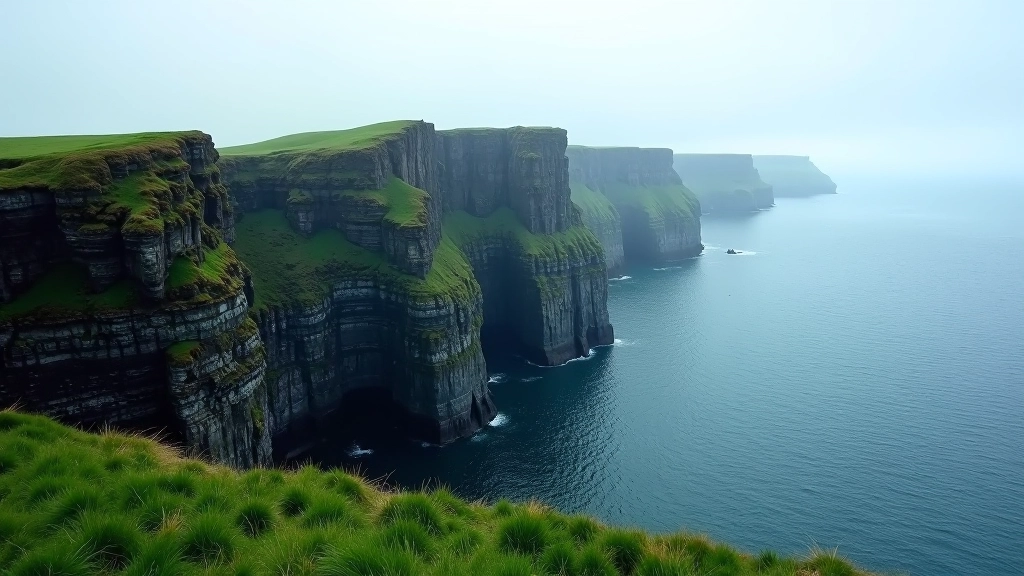
For something more dramatic, Slieve League delivers without being actually dangerous. These are the highest sea cliffs in Ireland — properly tall, genuinely impressive, and walkable if you’re not afraid of heights.
The coastal trail section is about 10 kilometers and takes 4 hours. It starts from Bunglass and follows the clifftop path with the ocean far below. Don’t worry — there’s proper ground under your feet, it’s not like you’re balancing on a ledge. The path’s well-worn and obvious. Just don’t wander off the marked route in fog.
The views are genuinely unreal — on clear days you can see all the way across to Donegal Bay. Even when it’s misty, there’s something atmospheric about walking along cliffs with the ocean somewhere beneath the clouds. Elevation gain is about 300 meters total. Best from late spring through early autumn when the weather’s most cooperative.
Essential Tips for Light Hiking in Ireland
Weather Layers
Ireland’s weather changes constantly. Start with a base layer, add a fleece, bring a windproof jacket. You’ll probably shed layers and pick them up again multiple times. Waterproof trousers aren’t essential on light trails but they’re nice to have.
Footwear Matters
Proper walking boots or trail shoes make a real difference. You don’t need mountaineering boots — these trails don’t demand that — but something with ankle support and good grip on wet ground will save your feet and your mood.
Start Early
Even though these walks don’t take all day, starting before 10 AM gives you buffer time. You’re not rushed, you finish before it gets dark, and you avoid the afternoon crowds on popular routes.
Bring Water and Snacks
Carry at least 1.5 liters of water and some food. You won’t find shops on these trails. A sandwich, some fruit, and chocolate are standard. Keeps your energy up and makes the walk actually enjoyable.
Tell Someone
It’s not dramatic, but it’s smart. Send a message saying which trail you’re on and roughly when you’ll be back. If something goes wrong, someone knows where to look.
Pace Yourself
These aren’t races. Walk at a pace where you can actually enjoy the scenery and still have energy at the end. Stop for photos, rest when you need to, take time to notice things.
Getting Out There
The whole point of light hiking is that it’s accessible without being boring. You get fresh air, proper scenery, physical activity that actually feels good, and you’re done in time for a proper dinner afterward. Ireland’s got these trails scattered all over — you don’t need to be super fit or heavily equipped. Just show up with decent gear, check the weather, and go.
These five routes are genuinely representative of what’s available. But they’re just the start. Once you’ve done a couple, you’ll get a feel for what works for you. Some people like forest walks, others prefer mountain views or coastal paths. The brilliant thing about Ireland is you’ve got all three, and most of them won’t leave you limping for a week.
Pick one, pick a weekend, and go. You’ll be surprised how much better you feel after spending a few hours walking in the landscape instead of staring at screens. That’s really all there is to it.

Explore More Outdoor Activities