
Light Hiking Trails That Won’t Exhaust You
Five scenic trails across Ireland where you can spend a full day without needing competitive fitness levels.
Discover Ireland’s most stunning seaside paths where rugged cliffs meet crashing waves and golden light spills across ancient stone. These walks aren’t just about distance — they’re about those moments that make you stop and stare.
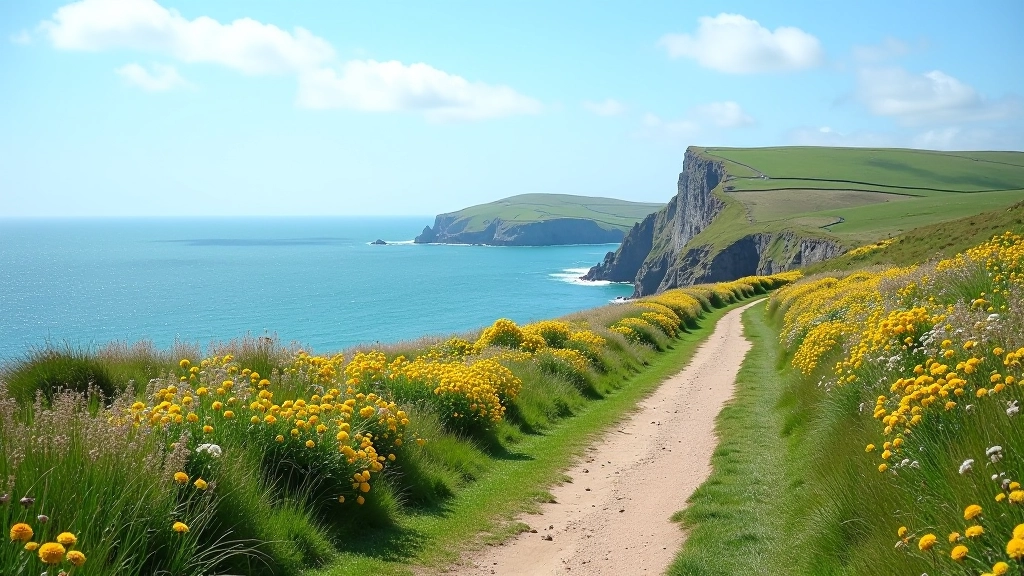
Ireland’s coastline stretches over 1,600 kilometers. Not all of it’s easy to reach, and honestly, that’s part of the appeal. The best coastal walks aren’t the most famous ones — they’re the ones where you’ll round a corner and suddenly understand why people write poetry about this place.
We’re talking about paths where Atlantic winds reshape your hair in about five seconds, where the light hits the water at angles you didn’t know existed, and where you might not see another person for hours. These walks demand respect — proper footwear, weather awareness, and a bit of fitness — but they reward you with views that photographs can’t quite capture.
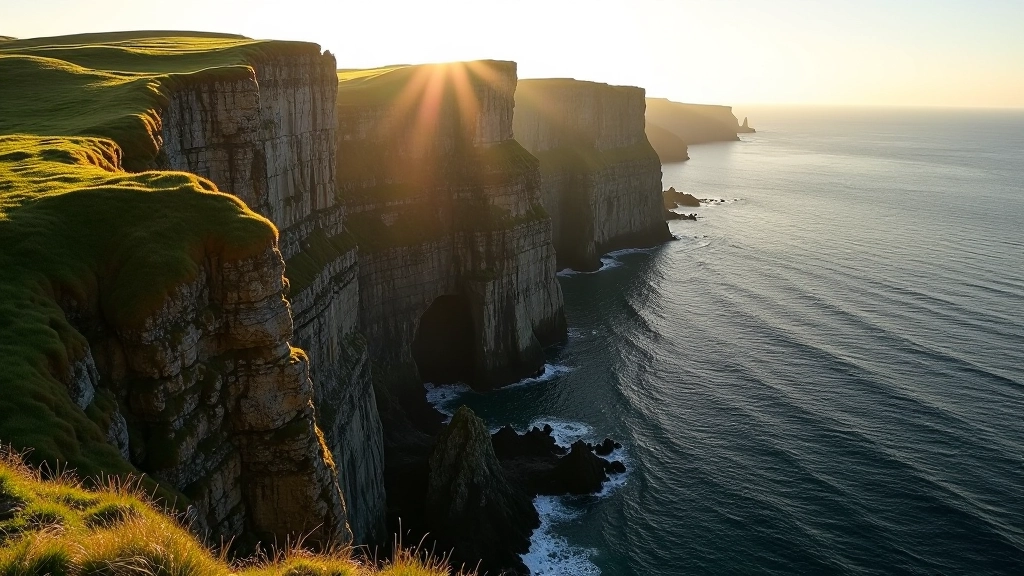
The southwestern coast is where Ireland gets serious about scenery. Cliffs rise 700+ meters in places — high enough that you’ll feel genuinely small standing at the edge. The paths here are well-maintained but exposed, which means wind and weather matter.
Start at Slea Head Drive in County Kerry. The walk follows the peninsula for about 12 kilometers and you’ll pass Dunmore Head (the westernmost point in Ireland) and stunning views of the Blasket Islands. Most people do 6-8 kilometers and turn back — it’s enough for a proper afternoon walk without pushing yourself to exhaustion.
What you’ll notice: the light changes constantly. Morning mist burns off around 10 AM, giving way to sharp, clear visibility. By afternoon, the sun’s at your back if you’re heading west, painting the water in shades of blue you’ve never seen. Bring a good camera — you’ll want it.
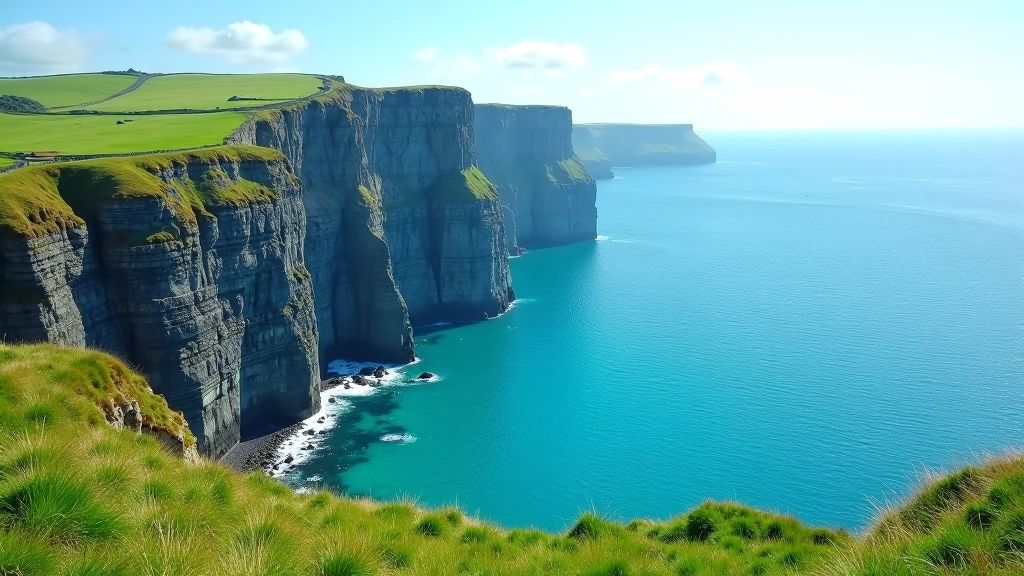
These walks are wonderful but they’re not without risk. Coastal paths can be slippery after rain, cliff edges aren’t always fenced, and weather changes fast. Always check weather forecasts before you go, bring proper footwear with good grip, and don’t attempt these walks in heavy rain or strong winds. The cliffs will be there next week — rushing in bad conditions isn’t worth it.
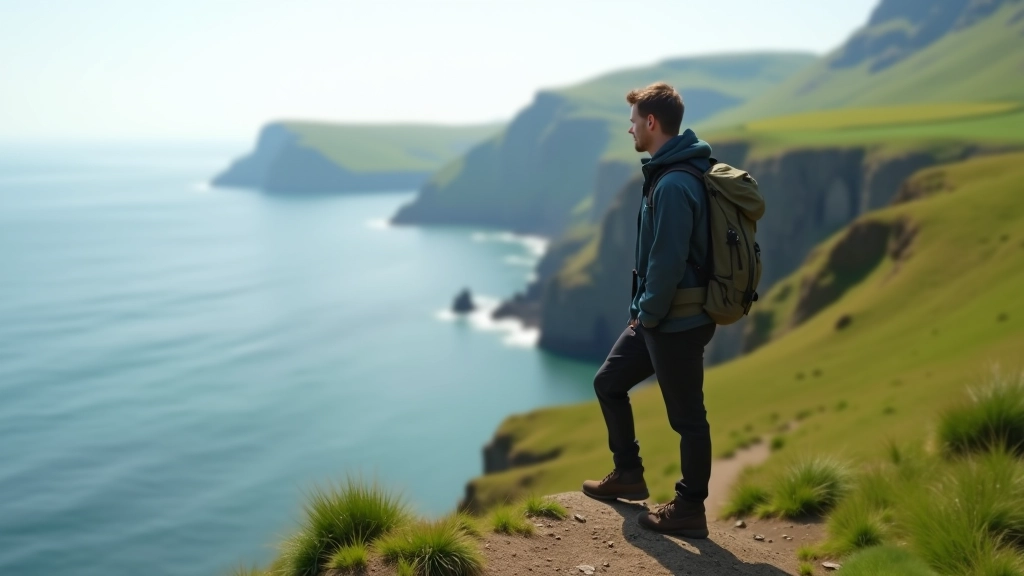
The eastern coast doesn’t get the same attention as the southwest, which means you’ll often have paths to yourself. County Wicklow’s cliff walks are spectacular — places like Bray Head offer 5-kilometer loops with views across the Irish Sea.
These walks are shorter and less exposed than southwestern routes, making them perfect if you’ve got 2-3 hours rather than a full day. The terrain is easier too — you’re not scrambling over rocks or dealing with constant steep sections. Instead, you get well-defined paths, proper signage, and that same sense of standing on the edge of the Atlantic.
The real gem? These walks are accessible year-round. Winter storms add drama (the waves get properly angry), while summer gives you long daylight hours to linger at scenic spots without rushing.
If you want to feel genuinely remote, head to County Donegal. The Slieve League cliffs rise 600 meters — higher than Cliffs of Moher but with a fraction of the visitors. The walk itself isn’t technically difficult, but it demands concentration and respect.
You’ll climb steadily for the first 45 minutes, then traverse along the cliff edge where one side drops away dramatically. The path narrows in places and you’re genuinely exposed to wind. It’s not dangerous if you’re careful, but it’s not a casual stroll either. Most people take 3-4 hours for the full circuit.
What makes it special? The isolation. You might see five other people the entire walk. The landscape feels primordial — rough cliffs, scattered sheep, and the Atlantic stretching endlessly west. There’s no café at the top, no facilities, just you and one of Europe’s most dramatic coastlines.
Waterproof hiking boots with ankle support. Coastal paths get wet — from rain, spray, and muddy sections. Good grip is non-negotiable. Don’t use trainers, even if they’re comfortable for flat walks.
The coast is windy. Even on calm days, you’ll feel it at elevation. Wear moisture-wicking base layers, an insulating mid-layer, and a waterproof windproof jacket. Cotton gets cold when wet — avoid it entirely.
Bring at least 1.5 liters of water and high-energy snacks. Most coastal walks don’t have shops. You’ll burn calories faster than you think, especially on steep sections.
Sunscreen is essential — water reflects UV rays. Sunglasses help too. Check weather forecasts obsessively. If rain’s coming, postpone. Coastal storms arrive fast and visibility drops quickly.
Spring (April-May) and autumn (September-October) are ideal. Weather’s more stable, crowds are manageable, and light’s gorgeous for most of the day. Summer works too, though June-August brings tourists to popular routes. Winter’s dramatic but demanding — short daylight hours mean you’ve got maybe 6-7 hours of decent light.
Time your start carefully. Early morning (8-9 AM) gives you maximum daylight and you’ll likely have paths to yourself. Afternoon starts mean you’re racing the sunset, especially in winter. Coastal winds often ease by mid-morning and pick up again around 4 PM.
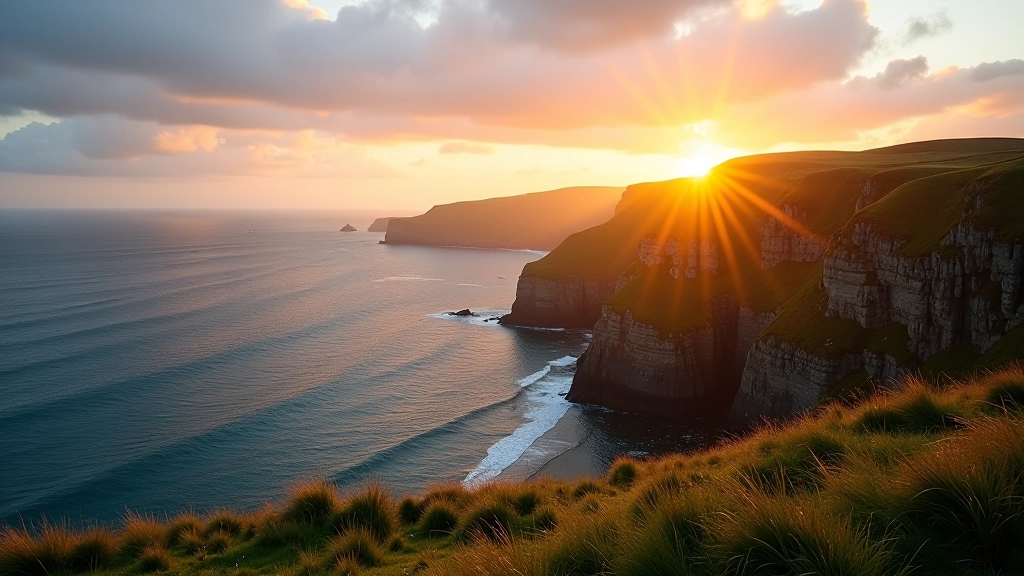
Coastal walks aren’t just exercise. They’re a way to understand a place — its history, its geography, its character. You’re walking paths that have been used for centuries. You’re seeing landscapes shaped by millions of years of geology. And you’re getting perspective that no photograph or guidebook can give you.
The best part? These walks are still relatively unknown outside Ireland. You won’t find them packed with tour groups. You’ll find yourself alone with the ocean, the cliffs, and the kind of beauty that reminds you why people moved here in the first place.
Start with the walks we’ve mentioned. Respect the conditions. Bring proper gear. And don’t rush — these aren’t races. They’re invitations to slow down and really see where you are. That’s what makes them breathtaking.