Light Hiking Trails That Won’t Exhaust You
Five scenic trails across Ireland where you can spend a full day without needing a professional fitness level. Perfect for a relaxing day out in nature.
Discover Ireland’s most peaceful cycling paths — no racing, no pressure, just you and the open road.
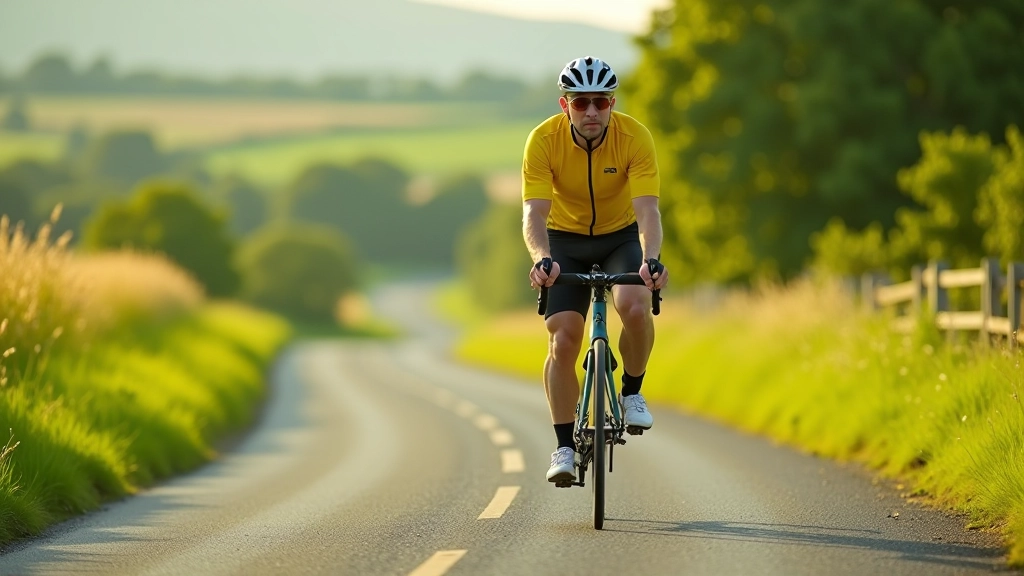
Ireland isn’t about speed or competition. It’s about rolling green hills, quiet country roads, and the chance to actually enjoy your surroundings. We’ve picked routes where you’ll see more sheep than cars, where the scenery changes every few kilometers, and where you can stop whenever something catches your eye.
The routes here aren’t ranked by difficulty or distance — they’re chosen because they’re genuinely pleasant to ride. You’ll get exercise, fresh air, and the kind of calm that comes from being out in nature. That’s the whole point.
All routes avoid heavy traffic. You’ll cycle on quiet country roads, canal towpaths, and dedicated greenways.
Most routes can be shortened or extended. Ride for an hour or a full day — it’s entirely up to you.
Road bikes, mountain bikes, hybrids, even e-bikes. These routes work with whatever you’ve got.
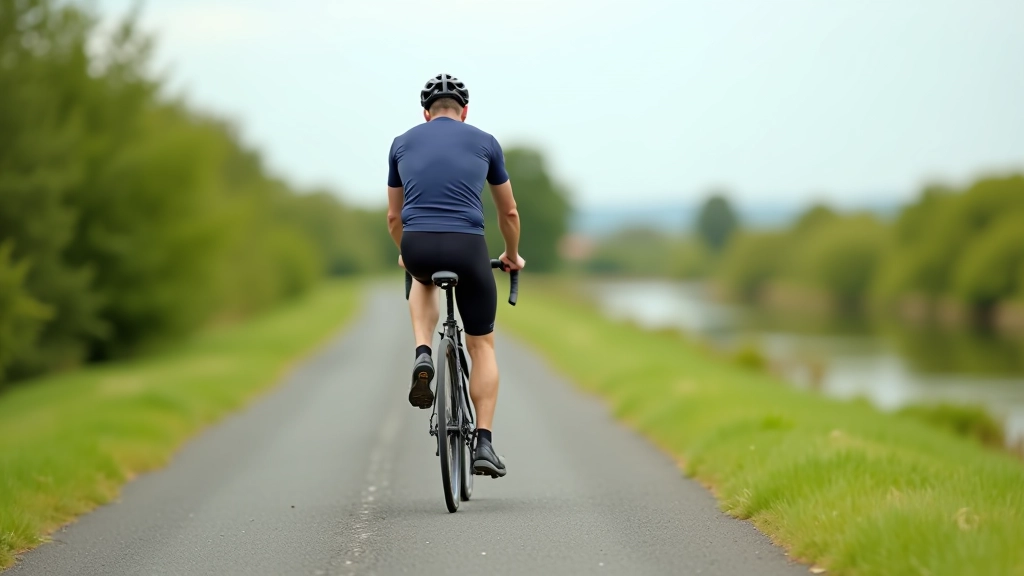
Dublin to Robertstown on the Grand Canal is one of Ireland’s most underrated cycling experiences. The towpath is flat, well-maintained, and lined with water on one side and wildflowers on the other. You’re cycling at roughly 12-15 kilometers per hour if you’re just cruising, which means you’ve got time to actually look around.
The 32-kilometer route takes about three hours at a relaxed pace. Most people stop halfway at Maynooth for lunch and never regret it. The towns along the way have cafes, shops, and proper pubs where cyclists are actually welcome. You won’t see any car traffic here — just other cyclists, walkers, and the occasional family with young kids learning to ride.
Pro tip: Start early on a weekend. You’ll have the whole path to yourself for the first hour, and the light is perfect for photography if you bring a camera.
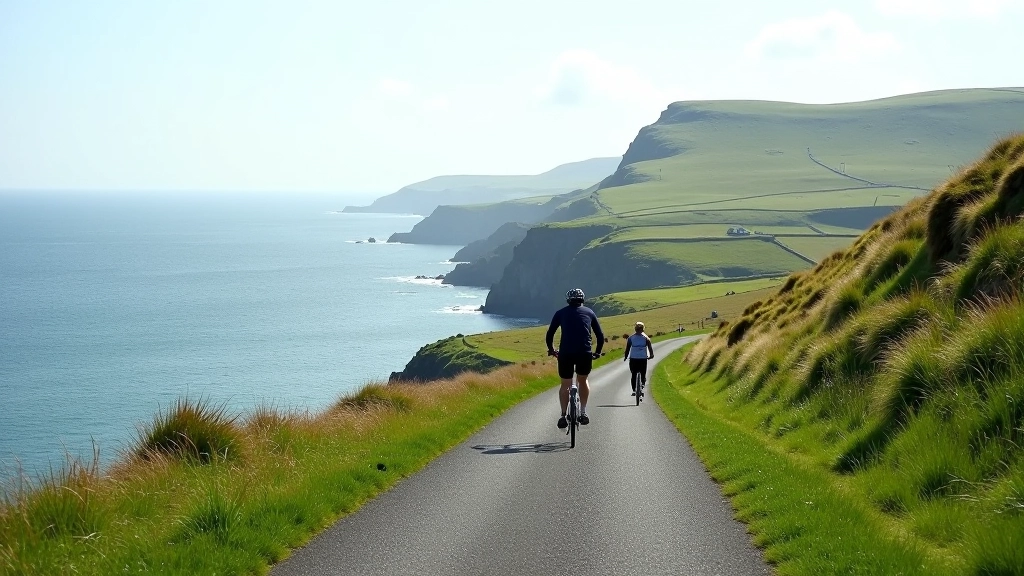
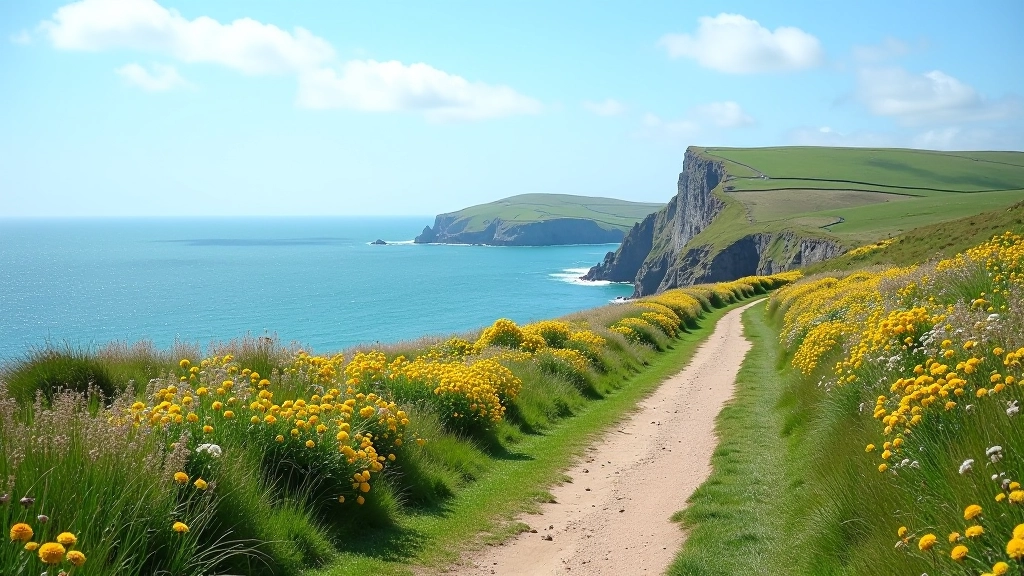
The Greenway network along Ireland’s southwest coast offers some of the most stunning cycling you’ll find anywhere. The Cork to Bantry route hugs the coastline, giving you ocean views for roughly 40 kilometers of your ride. Yes, there are a few hills — this is Ireland after all — but nothing that requires you to dismount and walk.
What makes these routes special isn’t just the views. It’s that you’re cycling through working towns and villages, not around them. You’ll stop at local bakeries in Bantry, chat with fishermen in Inchydoney, and discover small beaches you didn’t know existed. The whole experience takes about five to six hours if you’re stopping regularly, which you absolutely will be.
The terrain varies — some flat sections, some rolling hills, a few proper climbs. But the scenery compensates for every pedal stroke. And unlike some Irish routes, these roads are wide enough that occasional car traffic doesn’t feel dangerous.
This guide is informational and based on route conditions as of March 2026. Weather and road conditions change seasonally. Always check local weather forecasts, bring appropriate gear, and wear a helmet. If you’re new to cycling, start with shorter distances and build up. Some routes may have sections with variable terrain or occasional car traffic — use your judgment and adjust accordingly.
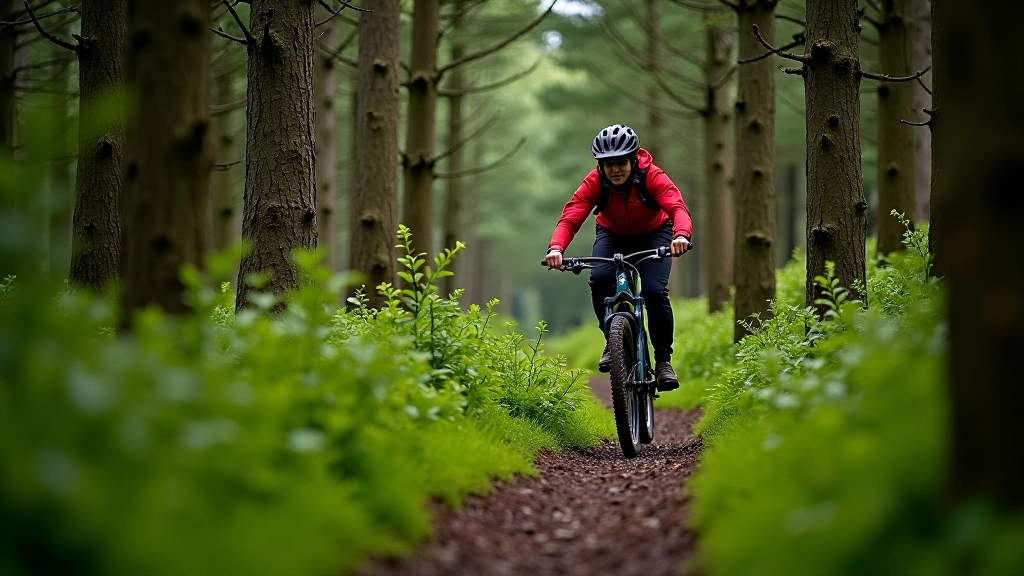
If you want something a bit more adventurous but still relaxed, Ireland’s forest trails deliver exactly that. Ballyhoura in Limerick is probably the most famous, but there’s also Knockshegowan in Tipperary and Clogh Head in Laois. These aren’t extreme downhill courses — they’re proper forest trails that feel natural and fun to ride.
What makes forest trails different from road cycling is the technical skill involved. You’re dodging roots, navigating tight turns, and managing loose gravel. But here’s the thing: most of these trails have beginner-friendly sections alongside more challenging ones. You can pick your difficulty.
A typical forest ride lasts two to three hours depending on which trails you choose. You’ll finish sweaty and genuinely tired, which is exactly what some riders want. Plus, you’re surrounded by trees the whole time — no cars, no noise, just the sound of your tires on dirt and leaves.
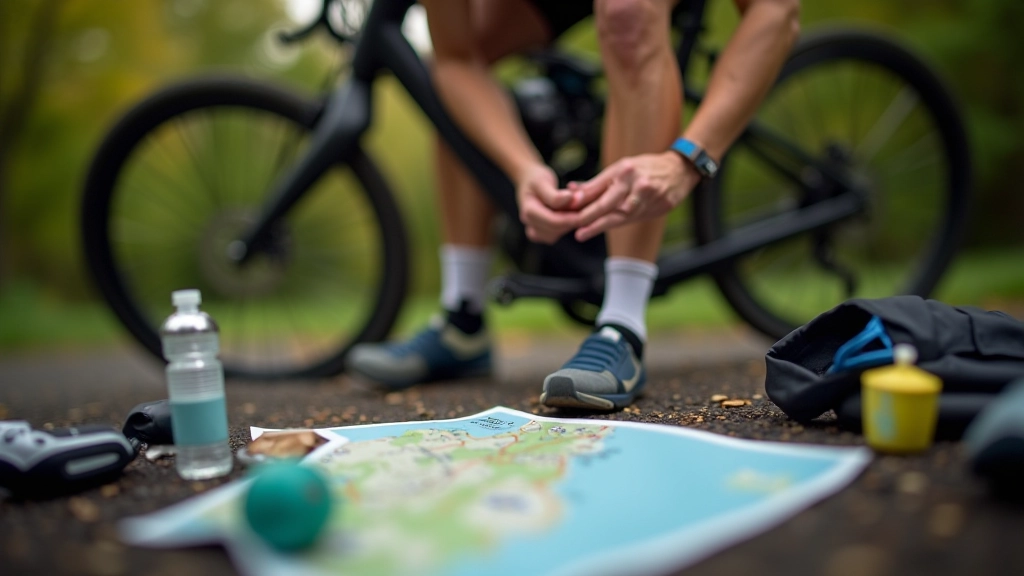
Download offline maps or print a route before you go. Mobile signals are spotty on rural Irish roads, and you don’t want to waste time navigating.
Brakes working? Tires properly inflated? Chain clean? A quick check saves you from frustration halfway through. You don’t need anything fancy — just functional.
Bring water, snacks, a basic repair kit, and a light rain jacket. Ireland’s weather changes fast. A backpack or small bag on your rack is all you need.
Early mornings and late afternoons are best — fewer cars, better light, cooler temperatures. Summer weekends are busier, so consider going on quieter days if you can.
Cycling doesn’t have to be about speed or fitness goals or competition. Sometimes it’s just about moving under your own power through a landscape that’s genuinely beautiful. Ireland’s got plenty of those routes. You won’t set any speed records, and you don’t need to. You’ll just get out, breathe fresh air, and come back feeling like you’ve actually done something worthwhile.
The routes in this guide are tested and reliable. They’re quiet, they’re scenic, and they work for riders of basically any ability level. Pick one, plan a day around it, and see what you find. That’s what cycling in Ireland is really about.